

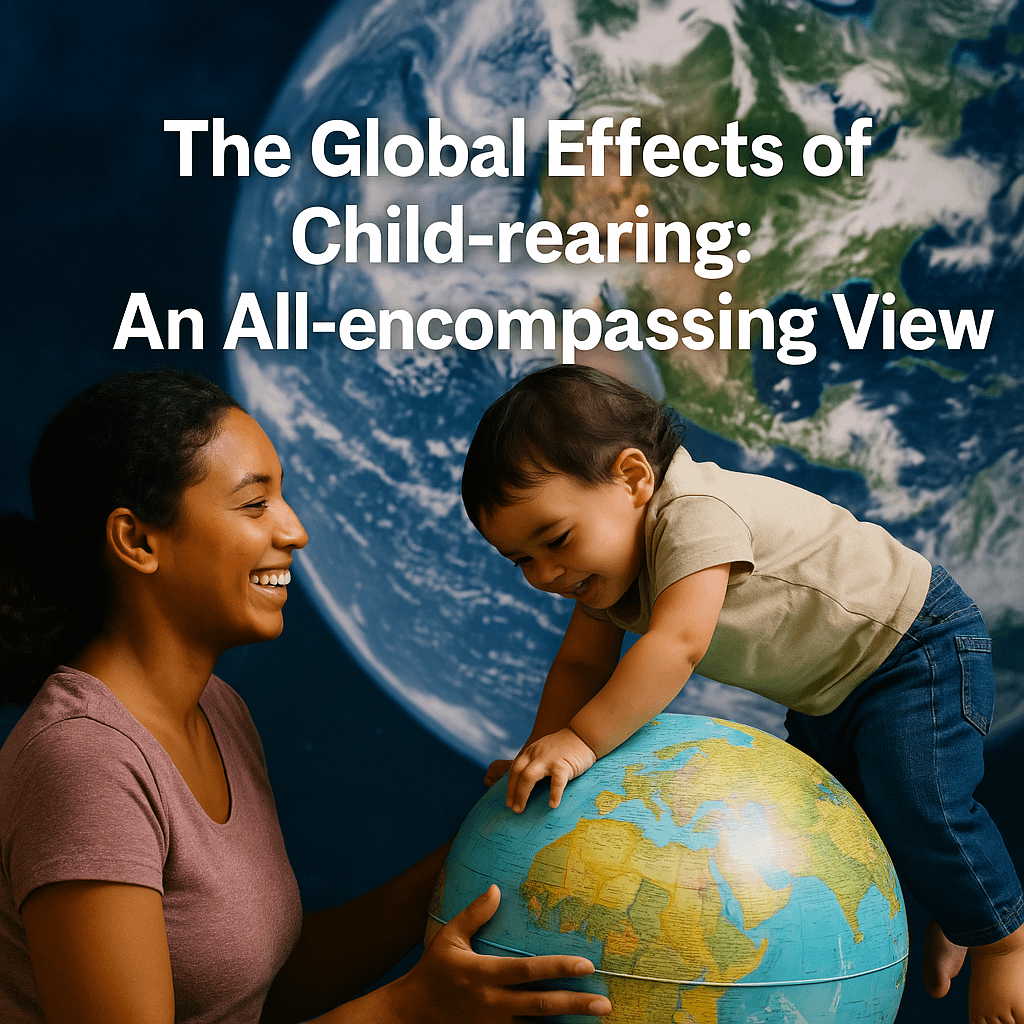
One of the most important duties that a person or society can have is raising children. The future of our world is greatly influenced by the way we raise, educate, and mentor the next generation. From developing empathy and compassion to establishing discipline and resilience, the values and skills that are taught to children have a cascading effect on communities, countries, and eventually the world at large. This blog post explores the various ways that raising children can impact the world, highlighting the significance of purposeful and conscientious parenting.
Check out Extraordinary Parenting eBook on Digistore24
The Basis of Ethics and Values
Transmitting morals and values to children is the foundation of child-rearing. Moral lessons are instilled in children through both explicit instruction and behavior modeling by adults. Children learn ethical behavior from their parents and other caregivers when they see these values modeled in themselves. These principles apply to larger societal involvement as well as interpersonal relationships. For example, a child who grows up with a strong sense of justice is more likely to support equality and fairness in their community, which will help create a society that is more just and equitable.
Empathy and Emotional Intelligence
In today’s interconnected world, emotional intelligence—the capacity to recognize, understand, and regulate one’s own emotions as well as those of others—is an essential ability. Children who receive emotional intelligence training from their parents are better able to cooperate, form wholesome relationships, and handle conflict. Compassion and a sense of our common humanity are fostered by empathy, which is a fundamental aspect of emotional intelligence. Prosocial behaviors like volunteering and charitable giving are more common among empathic people, which improves social cohesiveness and support among neighbors.
The role of Education and Lifelong Learning
Innovation and societal advancement are strongly influenced by education. Our children’s critical thinking, problem-solving, and intellectual curiosity are shaped by the formal and informal education we provide them. Fostering a passion for education and granting children access to a wide range of educational materials equips them to become knowledgeable and involved members of society. Resilience and adaptability are also fostered by encouraging children to embrace challenges and learn from their mistakes, which is known as a growth mindset. These attributes are necessary for navigating the contemporary world’s complexities and promoting constructive change. Check out Extraordinary Parenting eBook on Digistore24
Global Citizenship and Cultural Knowledge
It is essential to be culturally aware and to value diversity in our increasingly globalized world. Introducing kids to diverse cultures, languages, and viewpoints expands their perspectives and cultivates a feeling of global citizenship. Children gain a more complex understanding of the world when parents and educators stress the value of inclusivity and respect for differences. This cultural competency makes it possible for people to collaborate across cultural boundaries, work well in a variety of settings, and lessen xenophobia and prejudice—all of which contribute to a more peaceful global society.
Ecology Prudence
The sustainability of the environment is significantly impacted by the way we raise our children. A sense of environmental stewardship is fostered by teaching sustainable practices and instilling an appreciation for nature at a young age. Youngsters who comprehend the value of preserving natural resources and safeguarding ecosystems are more likely to take actions that lessen their ecological imprint. In order to address urgent environmental issues like pollution, deforestation, and climate change and ensure a healthy planet for future generations, it is imperative that we all take action together.
Check out Extraordinary Parenting eBook on Digistore24
Civic Engagement and Social Responsibility
Children who are raised with civic engagement and social responsibility are better equipped to make positive contributions to society. Children who learn the value of civic engagement, community service, and political engagement are more likely to grow up to be responsible, engaged citizens. People can drive social change and influence public policy by voting, taking part in community projects, and working as advocates. A community with responsible and involved members is better able to confront problems as a whole and create a more democratic and inclusive future.
Psychological Stability and Mental Well-Being
Children’s overall development and potential contributions to society are largely dependent on their mental and emotional health. Psychological resilience is fostered by creating a safe, nurturing environment where kids feel appreciated and understood. Children can better handle stress and overcome adversity when they are taught coping mechanisms and encouraged to lead balanced lives. People in good mental health are more creative, productive, and able to build lasting relationships—all qualities that are critical for both individual happiness and the advancement of society. Check out Extraordinary Parenting eBook on Digistore24
Innovation and Economic Stability
The standard of child-rearing techniques is intimately related to both economic stability and innovation. Children who have parents who value education, creativity, and critical thinking are better prepared for success in the workforce. Furthermore, fostering an entrepreneurial mindset and rewarding risk-taking can result in the creation of novel technologies and commercial endeavors. An educated and creative workforce boosts competitiveness, boosts economic growth, and raises the standard of living in general. On the other hand, if these factors are ignored, there may be a rise in social inequality and economic stagnation.
The Convergence of Child-Rearing Methods
The world is greatly affected and impacted by the way we raise our children. Childhood lessons shape the people who will lead and influence future generations, from instilling values and ethics to fostering emotional intelligence and environmental stewardship. We can raise a generation of kind, strong, and creative people who can solve global issues and make a positive impact on a more equitable, sustainable, and peaceful world by placing a high priority on intentional and mindful parenting. Check out Extraordinary Parenting eBook on Digistore24
Raising children is, in essence, a public good as well as a private endeavor. Raising well-rounded, responsible people has a collective effect that goes beyond family dynamics to affect the larger fabric of society. Because of this, one of the best strategies to ensure that everyone has a prosperous and peaceful future is to invest in the holistic development of children. Therefore, let us pledge to raise our kids with consideration, discernment, and foresight, understanding that by doing so, we are influencing the course of history.